Jul 10, 2025
Understanding Your Brand Archetype
( and Why It Matters )
If your brand were a person, how would it speak? Dress? Connect with people? Brand archetypes bring that personality to life. In this guide, we break down what a brand archetype is, why it matters, and how to use it to create a brand that feels human, consistent, and unforgettable.
Branding
brand
Recent
What Is a Brand Archetype?
A brand archetype is the personality blueprint of your brand - rooted in Carl Jung’s psychology, which identified universal characters that resonate deeply with human emotions.
In branding, these archetypes help businesses create a consistent identity that feels relatable, memorable, and emotionally magnetic.
There are 12 core archetypes, each representing a unique set of values, motivations, and voice style
If your brand were a person, how would it talk, dress, and connect with people?
Would it inspire like Oprah, rebel like Harley-Davidson, or nurture like Dove?
That’s the power of understanding your brand archetype — it shapes every decision you make, from your logo to your Instagram captions.
The Innocent – Pure, optimistic, and honest (e.g., Dove)
The Sage – Wise, knowledgeable, and guiding (e.g., Google)
The Explorer – Adventurous, freedom-seeking (e.g., The North Face)
The Outlaw – Bold, rebellious, and nonconforming (e.g., Harley-Davidson)
The Magician – Visionary, transformative (e.g., Disney)
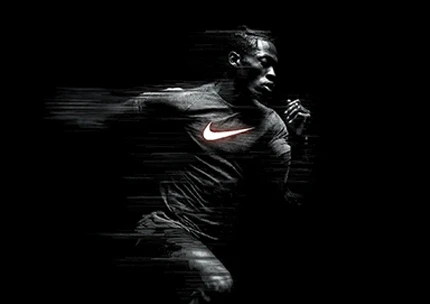
The Hero – Courageous, inspiring, determined (e.g., Nike)
The Lover – Passionate, intimate, and emotional (e.g., Chanel)
The Jester – Fun, playful, and entertaining (e.g., M&M’s)
The Everyman – Friendly, relatable, and approachable (e.g., IKEA)
The Caregiver – Nurturing, supportive, and selfless (e.g., Johnson & Johnson)
The Ruler – Confident, authoritative, and structured (e.g., Rolex)
The Creator – Innovative, imaginative, and artistic (e.g., Lego)
Why It Matters for Your Business1. It Builds Instant Emotional Connection
Humans connect with personalities, not faceless companies.
A well-defined archetype instantly signals who you are and what you stand for.2. It Creates Brand Consistency
From your visual identity to your voice and tone, your archetype acts as a decision filter — ensuring every touchpoint aligns with your brand’s essence.
3. It Sets You Apart in a Crowded Market
When everyone is shouting the same generic messages, your archetype helps you carve a unique space in your customer’s mind.

How to Identify Your Brand Archetype
You can’t embody your archetype unless you know what it is. Here’s how to get clear.
You can start by asking these questions:
What transformation do I create for my customers?
How do I want my audience to feel when they interact with my brand?
If my brand was a person, how would it dress, speak, and behave?
Pro Tip: Avoid mixing too many archetypes. Your audience should instantly recognize your personality without confusion.
Want a deeper breakdown of each archetype? We’re publishing a full blog series with individual guides on all 12 archetypes — explore the one that fits your brand best:


Action Steps to Bring Your Archetype to Life
It’s not enough to know your archetype - you have to live it.
Define It Clearly – Choose your primary archetype and document its traits, values, and tone of voice.
Audit Your Brand Assets – Check if your logo, colors, typography, and imagery reflect your archetype.
Refine Your Messaging – Adjust your copy and social media captions to consistently express your archetype’s personality.
Train Your Team – Ensure everyone from customer support to marketing speaks the same brand language.
Test and Measure – Track engagement, customer feedback, and conversion rates as you refine your brand expression.
The Bottom Line
Your brand archetype isn’t just a “nice-to-have.” It’s the foundation of a powerful, emotionally resonant brand that attracts the right audience and builds lasting loyalty.
When your brand feels human, people don’t just buy from you — they believe in you.
Ready to discover your brand archetype and bring it to life?
Book a Branding Consultation


FAQ
01
How does the design subscription work?
02
If I subscribe, what exactly do I get with each design task?
03
What types of design deliverables can I request in my plan?
04
Can I pause or cancel my subscription?
05
Can I use the subscription for a one-off project?
06
How do we communicate?
07
Can I upgrade or downgrade my plan?
08
What if I need more than 2 active tasks?
09
Do I own the files you create?
10
Can I pause or cancel my subscription?
Jul 10, 2025
Understanding Your Brand Archetype
( and Why It Matters )
If your brand were a person, how would it speak? Dress? Connect with people? Brand archetypes bring that personality to life. In this guide, we break down what a brand archetype is, why it matters, and how to use it to create a brand that feels human, consistent, and unforgettable.
Branding
brand
Recent
What Is a Brand Archetype?
A brand archetype is the personality blueprint of your brand - rooted in Carl Jung’s psychology, which identified universal characters that resonate deeply with human emotions.
In branding, these archetypes help businesses create a consistent identity that feels relatable, memorable, and emotionally magnetic.
There are 12 core archetypes, each representing a unique set of values, motivations, and voice style
If your brand were a person, how would it talk, dress, and connect with people?
Would it inspire like Oprah, rebel like Harley-Davidson, or nurture like Dove?
That’s the power of understanding your brand archetype — it shapes every decision you make, from your logo to your Instagram captions.
The Innocent – Pure, optimistic, and honest (e.g., Dove)
The Sage – Wise, knowledgeable, and guiding (e.g., Google)
The Explorer – Adventurous, freedom-seeking (e.g., The North Face)
The Outlaw – Bold, rebellious, and nonconforming (e.g., Harley-Davidson)
The Magician – Visionary, transformative (e.g., Disney)
The Hero – Courageous, inspiring, determined (e.g., Nike)
The Lover – Passionate, intimate, and emotional (e.g., Chanel)
The Jester – Fun, playful, and entertaining (e.g., M&M’s)
The Everyman – Friendly, relatable, and approachable (e.g., IKEA)
The Caregiver – Nurturing, supportive, and selfless (e.g., Johnson & Johnson)
The Ruler – Confident, authoritative, and structured (e.g., Rolex)
The Creator – Innovative, imaginative, and artistic (e.g., Lego)
Why It Matters for Your Business1. It Builds Instant Emotional Connection
Humans connect with personalities, not faceless companies.
A well-defined archetype instantly signals who you are and what you stand for.2. It Creates Brand Consistency
From your visual identity to your voice and tone, your archetype acts as a decision filter — ensuring every touchpoint aligns with your brand’s essence.
3. It Sets You Apart in a Crowded Market
When everyone is shouting the same generic messages, your archetype helps you carve a unique space in your customer’s mind.
How to Identify Your Brand Archetype
You can’t embody your archetype unless you know what it is. Here’s how to get clear.
You can start by asking these questions:
What transformation do I create for my customers?
How do I want my audience to feel when they interact with my brand?
If my brand was a person, how would it dress, speak, and behave?
Pro Tip: Avoid mixing too many archetypes. Your audience should instantly recognize your personality without confusion.
Want a deeper breakdown of each archetype? We’re publishing a full blog series with individual guides on all 12 archetypes — explore the one that fits your brand best:
Action Steps to Bring Your Archetype to Life
It’s not enough to know your archetype - you have to live it.
Define It Clearly – Choose your primary archetype and document its traits, values, and tone of voice.
Audit Your Brand Assets – Check if your logo, colors, typography, and imagery reflect your archetype.
Refine Your Messaging – Adjust your copy and social media captions to consistently express your archetype’s personality.
Train Your Team – Ensure everyone from customer support to marketing speaks the same brand language.
Test and Measure – Track engagement, customer feedback, and conversion rates as you refine your brand expression.
The Bottom Line
Your brand archetype isn’t just a “nice-to-have.” It’s the foundation of a powerful, emotionally resonant brand that attracts the right audience and builds lasting loyalty.
When your brand feels human, people don’t just buy from you — they believe in you.
Ready to discover your brand archetype and bring it to life?
Book a Branding Consultation
FAQ
01
How does the design subscription work?
02
If I subscribe, what exactly do I get with each design task?
03
What types of design deliverables can I request in my plan?
04
Can I pause or cancel my subscription?
05
Can I use the subscription for a one-off project?
06
How do we communicate?
07
Can I upgrade or downgrade my plan?
08
What if I need more than 2 active tasks?
09
Do I own the files you create?
10
Can I pause or cancel my subscription?
Jul 10, 2025
Understanding Your Brand Archetype
( and Why It Matters )
If your brand were a person, how would it speak? Dress? Connect with people? Brand archetypes bring that personality to life. In this guide, we break down what a brand archetype is, why it matters, and how to use it to create a brand that feels human, consistent, and unforgettable.
Branding
brand
Recent
What Is a Brand Archetype?
A brand archetype is the personality blueprint of your brand - rooted in Carl Jung’s psychology, which identified universal characters that resonate deeply with human emotions.
In branding, these archetypes help businesses create a consistent identity that feels relatable, memorable, and emotionally magnetic.
There are 12 core archetypes, each representing a unique set of values, motivations, and voice style
If your brand were a person, how would it talk, dress, and connect with people?
Would it inspire like Oprah, rebel like Harley-Davidson, or nurture like Dove?
That’s the power of understanding your brand archetype — it shapes every decision you make, from your logo to your Instagram captions.
The Innocent – Pure, optimistic, and honest (e.g., Dove)
The Sage – Wise, knowledgeable, and guiding (e.g., Google)
The Explorer – Adventurous, freedom-seeking (e.g., The North Face)
The Outlaw – Bold, rebellious, and nonconforming (e.g., Harley-Davidson)
The Magician – Visionary, transformative (e.g., Disney)
The Hero – Courageous, inspiring, determined (e.g., Nike)
The Lover – Passionate, intimate, and emotional (e.g., Chanel)
The Jester – Fun, playful, and entertaining (e.g., M&M’s)
The Everyman – Friendly, relatable, and approachable (e.g., IKEA)
The Caregiver – Nurturing, supportive, and selfless (e.g., Johnson & Johnson)
The Ruler – Confident, authoritative, and structured (e.g., Rolex)
The Creator – Innovative, imaginative, and artistic (e.g., Lego)
Why It Matters for Your Business1. It Builds Instant Emotional Connection
Humans connect with personalities, not faceless companies.
A well-defined archetype instantly signals who you are and what you stand for.2. It Creates Brand Consistency
From your visual identity to your voice and tone, your archetype acts as a decision filter — ensuring every touchpoint aligns with your brand’s essence.
3. It Sets You Apart in a Crowded Market
When everyone is shouting the same generic messages, your archetype helps you carve a unique space in your customer’s mind.
How to Identify Your Brand Archetype
You can’t embody your archetype unless you know what it is. Here’s how to get clear.
You can start by asking these questions:
What transformation do I create for my customers?
How do I want my audience to feel when they interact with my brand?
If my brand was a person, how would it dress, speak, and behave?
Pro Tip: Avoid mixing too many archetypes. Your audience should instantly recognize your personality without confusion.
Want a deeper breakdown of each archetype? We’re publishing a full blog series with individual guides on all 12 archetypes — explore the one that fits your brand best:
Action Steps to Bring Your Archetype to Life
It’s not enough to know your archetype - you have to live it.
Define It Clearly – Choose your primary archetype and document its traits, values, and tone of voice.
Audit Your Brand Assets – Check if your logo, colors, typography, and imagery reflect your archetype.
Refine Your Messaging – Adjust your copy and social media captions to consistently express your archetype’s personality.
Train Your Team – Ensure everyone from customer support to marketing speaks the same brand language.
Test and Measure – Track engagement, customer feedback, and conversion rates as you refine your brand expression.
The Bottom Line
Your brand archetype isn’t just a “nice-to-have.” It’s the foundation of a powerful, emotionally resonant brand that attracts the right audience and builds lasting loyalty.
When your brand feels human, people don’t just buy from you — they believe in you.
Ready to discover your brand archetype and bring it to life?
Book a Branding Consultation
FAQ
How does the design subscription work?
If I subscribe, what exactly do I get with each design task?
What types of design deliverables can I request in my plan?
Can I pause or cancel my subscription?
Can I use the subscription for a one-off project?
How do we communicate?
Can I upgrade or downgrade my plan?
What if I need more than 2 active tasks?
Do I own the files you create?
Can I pause or cancel my subscription?